
Iran Rejects Nuclear Assurances In Failed U.S. Negotiations
Zero Signal Staff
Published April 12, 2026 at 12:14 AM ET · 1 day ago
Politico
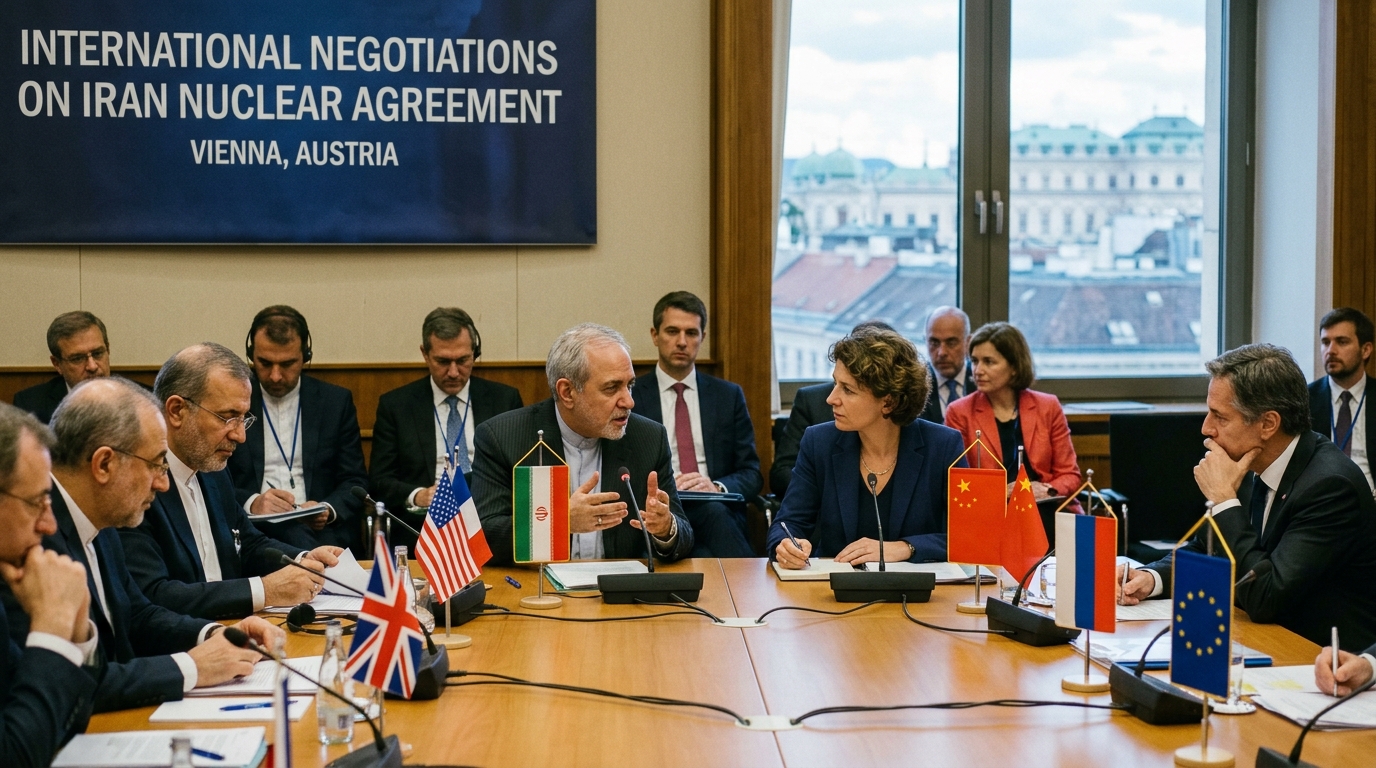
Vice President JD Vance ended marathon negotiations with Iranian officials in Islamabad on April 11, 2026, without securing an agreement to end the seven-week conflict.
Vice President JD Vance ended marathon negotiations with Iranian officials in Islamabad on April 11, 2026, without securing an agreement to end the seven-week conflict. Vance said Iran refused to commit to not pursuing nuclear weapons or the means to rapidly develop them, prompting the U.S. delegation to return home without a breakthrough.
The talks represented the highest-level direct engagement between American officials and Iran since the 1979 Islamic revolution. Vance, leading the Trump administration's negotiating team, stated that Iran's rejection of U.S. terms centered on a refusal to provide binding assurances on nuclear weapons development. "The simple fact is that we need to see an affirmative commitment that they will not seek a nuclear weapon and they will not seek the tools that would enable them to quickly achieve a nuclear weapon," Vance said in remarks early Sunday local time.
The negotiations aimed to reopen the Strait of Hormuz and prevent further military escalation. President Trump had previously threatened a bombing campaign that would send Iran back to the "stone ages" if talks failed. Oil and commodity prices have spiked during the conflict, and global economic conditions have deteriorated as the war entered its seventh week.
Vance did not clarify whether the failed negotiations would trigger a resumption or escalation of U.S. and Israeli military operations. Trump, monitoring a UFC event in Miami during Vance's media briefing, has not announced next steps. Earlier on April 11, Trump stated "We win regardless" and claimed the United States "defeated them militarily," but Vance's comments indicated that military advantage had not translated into achieving the administration's stated objective of preventing Iran from obtaining nuclear weapons.
Context
The Strait of Hormuz is a critical chokepoint through which roughly one-third of global seaborne oil passes. Disruption to shipping through the strait has driven oil prices higher since the conflict began, affecting energy costs worldwide and contributing to inflationary pressures in multiple economies.
Direct negotiations between U.S. officials and Iranian leadership are rare. The last comparable high-level diplomatic engagement occurred during the Obama administration's nuclear deal negotiations, which culminated in the Joint Comprehensive Plan of Action (JCPOA) in 2015. Trump withdrew the United States from that agreement in 2018, citing concerns about its scope and duration.
What's Next
Vance's statement that "the bad news is we have not reached an agreement" leaves the conflict's trajectory uncertain. Trump's previous threats of military action remain on the table, and his refusal to specify consequences suggests the administration is weighing options before announcing its response. The failure to secure Iranian nuclear commitments may push the administration toward military escalation, particularly if Trump interprets the rejection as evidence that diplomatic channels have been exhausted.
Never Miss a Signal
Get the latest breaking news and daily briefings from Zero Signal News directly to your inbox.