
Florida Seeks State Control of Red Snapper Fishery Amid Scientific Dispute
Zero Signal Staff
Published April 12, 2026 at 12:13 AM ET · 1 day ago
Politico
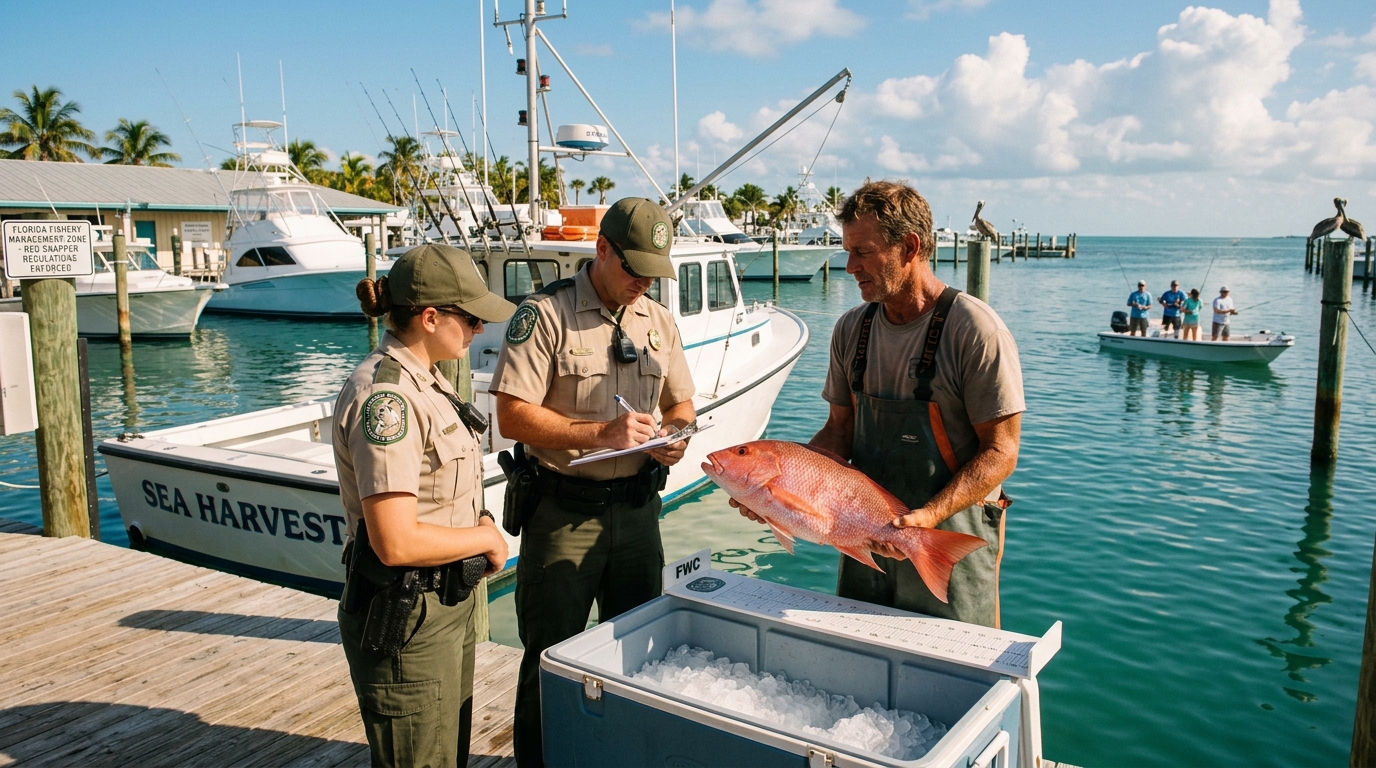
Florida has applied for temporary state management of the Atlantic recreational red snapper fishery through an exempted fishing permit, which would expand the annual fishing season from two days to 39 days starting this year.
Florida has applied for temporary state management of the Atlantic recreational red snapper fishery through an exempted fishing permit, which would expand the annual fishing season from two days to 39 days starting this year. The proposal has divided the fishing industry — recreational anglers and state officials support the expansion, while commercial fishers and environmental groups argue it lacks scientific justification and adequate safeguards.
Governor Ron DeSantis announced the exempted fishing permit (EFP) application in November 2026, stating the expansion would benefit Northeast Florida recreational anglers. DeSantis said he discussed the proposal with President Donald Trump and Commerce Secretary Howard Lutnick, both of whom expressed support. The federal National Oceanic and Atmospheric Administration (NOAA) Fisheries is expected to rule on the application by May 1, 2026.
Martha Guyas, Southeast fisheries policy director at the American Sportfishing Association, said recreational anglers are frustrated by current federal restrictions. "You've had people that are seeing lots of red snapper out there, but they're being forced to be thrown back," Guyas said. "It's like you're wasting a fish." She argued that expanded seasons would reduce pressure on anglers to fish in potentially unsafe weather conditions.
Commercial fishing interests oppose the proposal. Bob Zales, executive director of the Southeastern Fisheries Association, stated: "Fisheries have to be managed by science. And no matter how bad you want something for political impact and political pull or whatever to get something done, if it doesn't work with science … you don't need to go there." Mike Merrifield, an Atlantic Coast seafood market owner, said an extended recreational season could trigger overfishing restrictions that would harm commercial harvests and consumer access to red snapper.
The core dispute centers on data. NOAA Fisheries' most recent assessment found the Atlantic red snapper fishery has not yet been fully rebuilt from historical overfishing. Florida has contested NOAA's data collection methods and cited this disagreement as a primary reason for seeking state control. The EFP would run through 2028 and potentially establish a pathway for Florida to assume permanent management authority over the Atlantic recreational fishery.
Context
Red snapper management has been contentious in the Southeast for years. The Atlantic fishery experienced severe overfishing in past decades, and federal regulators have maintained strict recreational seasons to allow stock recovery. In contrast, the Gulf of Mexico red snapper fishery, which is also federally managed, has seen longer recreational seasons in recent years as that stock improved — though it remains subject to federal limits.
Florida's push for state control reflects a broader pattern of states seeking expanded fishing authority. The state previously gained management rights over red snapper in state waters under certain conditions, and this Atlantic EFP application represents an escalation of that effort. The disagreement over NOAA's data collection methods is not unique to red snapper — commercial and recreational fishing groups have challenged federal stock assessments on multiple species.
What's Next
The May 1 decision deadline creates a compressed timeline for NOAA Fisheries to evaluate Florida's application. If approved, the 39-day season would begin immediately, making 2026 a test case for whether expanded recreational access affects the stock's recovery trajectory. NOAA will likely require monitoring data from the expanded season to inform any decision about permanent state management authority beyond 2028.
The outcome will signal whether states can successfully challenge federal fisheries data and gain management concessions based on alternative assessment methods. Commercial fishing groups have indicated they will monitor the stock closely during any expanded season and may pursue legal or regulatory challenges if they document evidence of overfishing.
Never Miss a Signal
Get the latest breaking news and daily briefings from Zero Signal News directly to your inbox.