
F1 Teams Tackle Battery Management Crisis Threatening Racing Quality
Zero Signal Staff
Published April 13, 2026 at 12:41 AM ET · 22 hours ago
Ars Technica
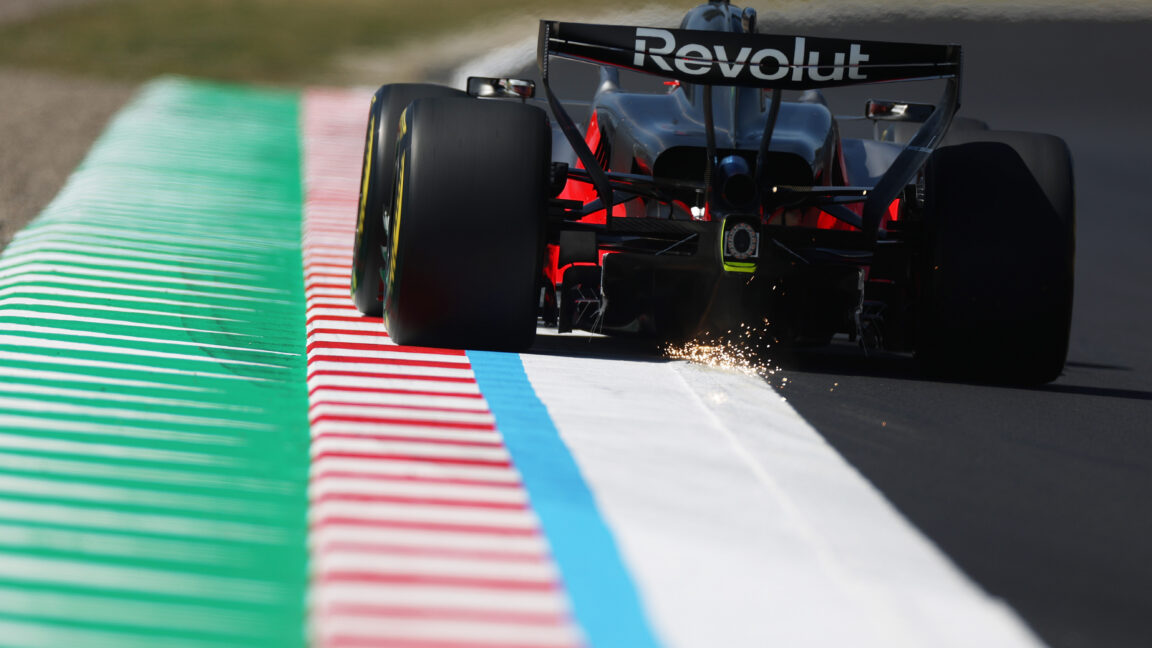
Formula 1 is using a month-long break from racing to address fundamental flaws in its 2026 hybrid power system, where algorithms—not drivers—control acceleration and create dangerous speed differentials on track.
Formula 1 is using a month-long break from racing to address fundamental flaws in its 2026 hybrid power system, where algorithms—not drivers—control acceleration and create dangerous speed differentials on track. The new regulations, designed to attract automakers to the sport, have left cars energy-starved during qualifying and races, forcing drivers to lift off throttle in high-speed corners and creating 70 km/h (43 mph) speed gaps between cars on the same lap.
F1's 2026 power units combine a 1.6-liter turbocharged V6 engine producing 400 kW (536 hp) with an electric motor-generator unit capable of 350 kW (469 hp) when the 4 MJ (1.1 kWh) battery has charge. The battery depletes from full to empty in just over 11 seconds at full deployment, forcing drivers to regenerate energy under braking or use "lift and coast" techniques to recharge it. The system can also engage "super clipping," where the car's onboard software reduces rear-wheel power to 200 kW to divert 200 kW to battery charging while the driver maintains full throttle—a decision made entirely by the car's computer, not the driver.
The result has been widespread criticism from competitors. McLaren driver Lando Norris called the driving experience "soul destroying," particularly during qualifying at the Japanese Grand Prix, where drivers lifted off throttle through the 130R corner—one of F1's most demanding high-speed turns—because energy conservation produced faster lap times than pushing flat out. During races, the system creates hazardous conditions: a car with a fully charged battery can reach 750 kW (1,005 hp) total output, while a car with a depleted battery has only 400 kW, producing speed differentials that have already caused near-incidents on track.
Teams including Aston Martin, Cadillac, and Williams are using the unscheduled break—caused by the cancellation of races in Bahrain and Saudi Arabia this month—to develop solutions. Mercedes, the championship favorite, is also working on improvements to address its struggles at race starts and in traffic. Technical representatives from all teams and the FIA are meeting throughout April to redesign how the hybrid system allocates power and manages battery deployment.
Context
F1 introduced the new hybrid regulations beginning in 2026 to attract automotive manufacturers to the sport, with Audi, Cadillac, and Honda joining existing partners Ferrari and Mercedes. The shift toward electrified power units mirrors broader industry trends, though several automakers have since scaled back electric vehicle investments. The energy-management problem is not entirely new to racing: IndyCar and endurance racing have long used lift-and-coast strategies to conserve fuel and win races. However, F1 had never before delegated acceleration decisions to algorithms rather than drivers, creating a situation where qualifying performance depends on software optimization rather than driver skill during maximum-effort laps.
The 2026 regulations represent a significant departure from the previous hybrid era (2014-2025), where drivers had more direct control over energy deployment through manual DRS (Drag Reduction System) activation and simpler battery management. The current system's complexity stems from the need to balance three competing demands: attracting manufacturers with advanced hybrid technology, maintaining racing spectacle, and keeping costs manageable across the 10-team grid.
What's Next
The April technical meetings will determine whether F1 can modify the hybrid system's software logic to restore driver control over power deployment without abandoning the electrification goals that attracted manufacturers. Key decisions include whether to increase the battery capacity (currently equivalent to a Prius pack), adjust the super-clipping power limits, or redesign how the MGU allocates charge between engine assistance and battery storage. If no solution emerges before the next scheduled races in May, the sport faces the prospect of continuing with a system that fans and drivers view as broken, potentially damaging F1's credibility heading into a season with new engine manufacturers competing for the first time under these rules.
Never Miss a Signal
Get the latest breaking news and daily briefings from Zero Signal News directly to your inbox.