
Chinese Energy Firms Capitalize on Middle East Conflict Amid AI Boom
Zero Signal Staff
Published April 13, 2026 at 12:18 AM ET · 23 hours ago
NY Times
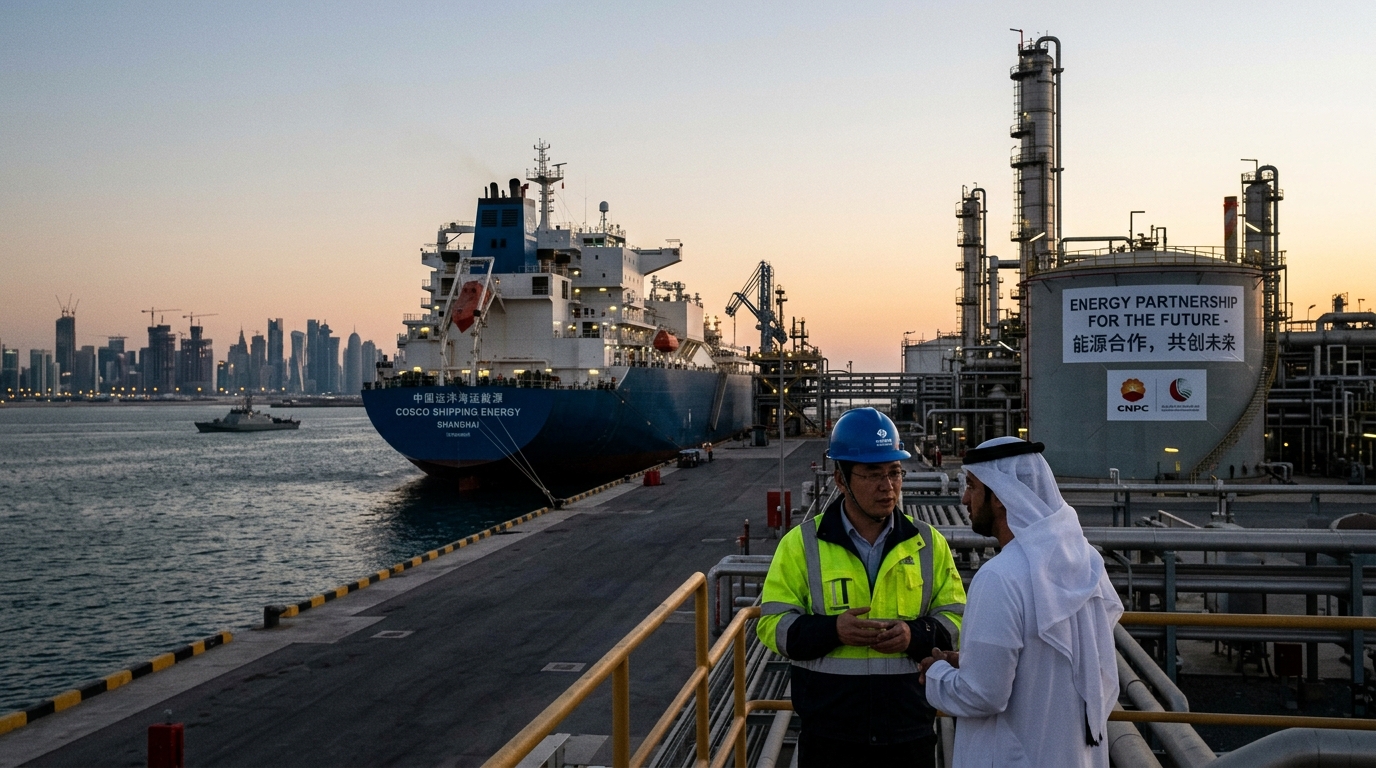
Chinese companies are positioned to profit substantially from energy disruptions caused by the Middle East conflict, leveraging accelerating demand for power infrastructure to support artificial intelligence operations.
Chinese companies are positioned to profit substantially from energy disruptions caused by the Middle East conflict, leveraging accelerating demand for power infrastructure to support artificial intelligence operations. The cluster of firms—spanning battery manufacturing, grid technology, and renewable energy—has expanded investment in these sectors as global AI deployment strains electricity supplies worldwide.
Chinese energy and battery manufacturers have secured contracts and partnerships across Asia and emerging markets as nations scramble to meet surging power demands from data centers and AI computing facilities. The Middle East conflict, which began in early 2026, has disrupted conventional energy supplies and accelerated the timeline for alternative power solutions that Chinese firms are positioned to supply.
Investment in Chinese battery storage and grid modernization technology has grown substantially over the past 18 months. Companies including BYD, CATL, and State Grid Corporation have expanded production capacity and secured financing to meet what industry analysts project as a 40 percent increase in global battery storage demand through 2028, according to market research cited in industry reports.
The convergence of two factors—energy scarcity from geopolitical disruption and explosive growth in AI infrastructure—has created what unnamed analysts describe as a structural advantage for Chinese manufacturers already dominant in battery production and electrical equipment. Chinese firms control approximately 60 percent of global battery cell production and 70 percent of battery pack assembly, positions they have leveraged to negotiate long-term supply agreements with utilities and technology companies.
Energy-intensive AI operations require consistent, massive power supplies that many regions cannot provide through existing grids. Data centers supporting large language models and machine learning systems consume between 15 and 20 megawatts each, forcing governments and private operators to rapidly deploy new generation and storage capacity. Chinese suppliers have moved faster than Western competitors to offer integrated solutions combining solar panels, battery systems, and grid management software.
Context
China's dominance in battery technology and electrical equipment manufacturing has been built over two decades of state-directed investment and manufacturing scale. The country produced 60 percent of the world's lithium-ion batteries in 2023 and has maintained that market share through aggressive cost competition and vertical integration of supply chains from raw material processing to finished product assembly.
Previous energy crises—including the 2022 European natural gas shortage following Russia's invasion of Ukraine—demonstrated that geopolitical disruptions can shift supply chains and create durable competitive advantages for suppliers positioned outside conflict zones. Chinese firms benefited from that crisis by securing long-term contracts to supply renewable energy equipment and grid components to European utilities seeking energy independence.
What's Next
The structural advantage for Chinese energy firms depends on sustained high energy prices and continued AI investment growth. If energy prices normalize or AI demand slows, the urgency driving rapid deployment of Chinese battery and grid systems would diminish, potentially reducing profit margins and order volumes.
Several governments are accelerating domestic battery production programs to reduce dependence on Chinese suppliers. The European Union's battery regulation framework and the United States' Inflation Reduction Act both include subsidies and tariffs designed to build regional manufacturing capacity. These initiatives, if successful, could erode Chinese market share within 3 to 5 years, though Chinese firms' current production scale and cost advantages make rapid displacement unlikely in the near term.
Never Miss a Signal
Get the latest breaking news and daily briefings from Zero Signal News directly to your inbox.