
Africa's Great Green Wall Stalls After 18 Years and Billions in Spending
Zero Signal Staff
Published April 11, 2026 at 10:39 AM ET · 2 days ago
NPR Health
The Great Green Wall, a multibillion-dollar initiative launched by the African Union in 2007 to plant trees across 4,350 miles of the Sahel region and reverse desertification, has largely failed to deliver on its promises.
The Great Green Wall, a multibillion-dollar initiative launched by the African Union in 2007 to plant trees across 4,350 miles of the Sahel region and reverse desertification, has largely failed to deliver on its promises. After 18 years and substantial international investment, most of the planned wall remains barren, with completed projects often deteriorating due to poor planning, inadequate local involvement, and opaque financing structures.
The initiative was designed to re-green nearly 250 million acres across 11 countries stretching from Senegal to Djibouti, sequester 250 million tons of carbon, create 10 million green jobs, and reduce poverty and food insecurity. The United Nations estimated the project would require $33 billion to complete, with funding pledged by the World Bank, African Development Bank, European Union, Green Climate Fund, and Global Environment Facility. Despite these commitments, implementation has been fragmented across national agencies with a coordinating body, the Pan-African Great Green Wall Agency, based in Mauritania.
A case study from Djibouti illustrates the pattern of failure. In 2014, the government invested $300,000 in Abdi Guelleh's village to construct a borehole, solar pump system, and water tanks for farming. The farm initially succeeded, producing tomatoes, legumes, and fruits that fed families and generated surplus income. Within years, however, the water supply dwindled as drought depleted the dam, and the infrastructure fell into disrepair. Today the 2.5-acre plot sits barren with broken irrigation pipes scattered across the dust.
Similar patterns have emerged elsewhere. A farm outside Widou Thiengoly in Senegal initially failed before being revived only through separate funding from a Moroccan phosphate mining company. The project's architects acknowledged that many initiatives suffered from insufficient community participation in planning and decision-making, leaving farmers without ownership or maintenance capacity when external support ended.
Context
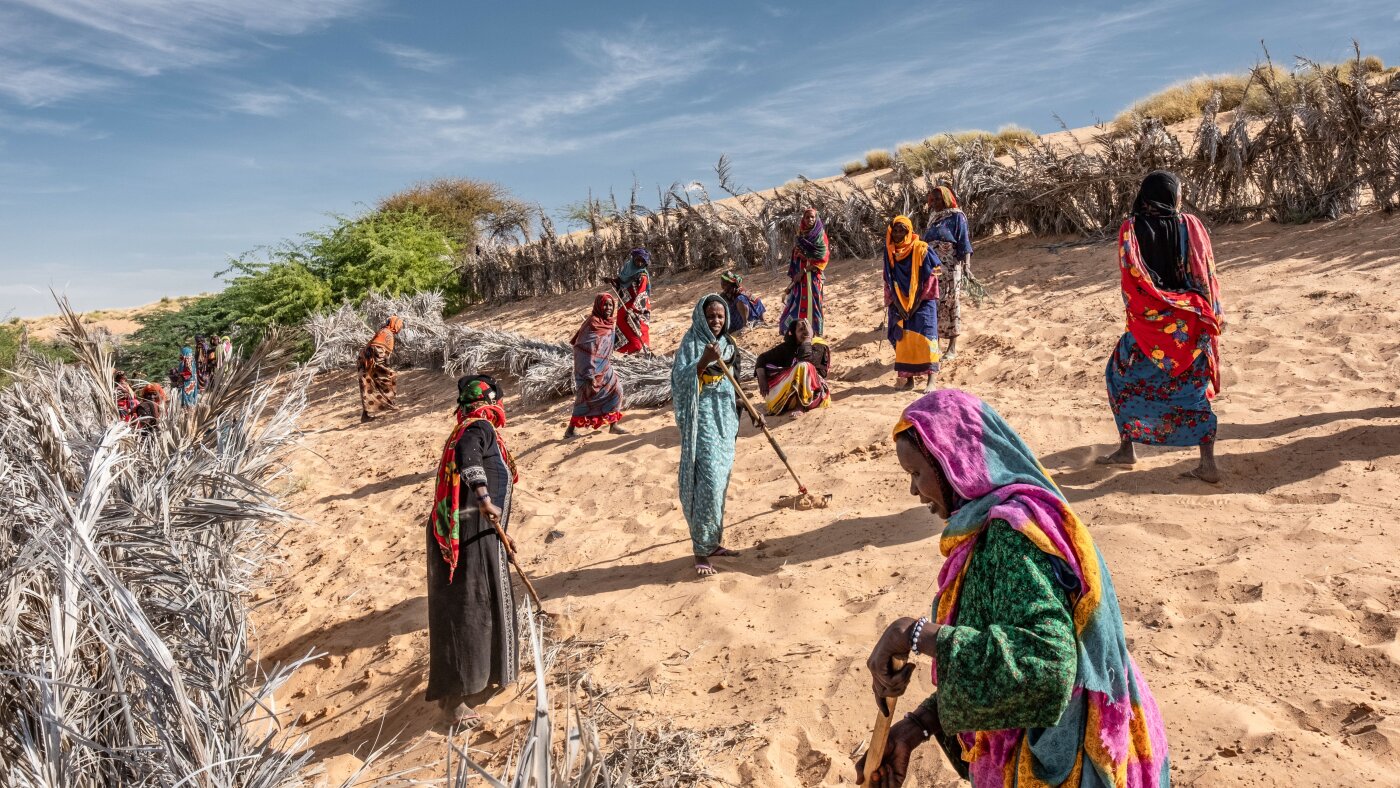
The Great Green Wall was conceived as Africa's answer to the Sahara's southward expansion, which threatens livelihoods across the Sahel. The region experiences hotter temperatures and stronger winds that accelerate desertification; in villages like Kaou, Chad, oases have been shrinking steadily according to local elders. The project's scale was intended to match the scale of the crisis: a 10-mile-wide belt of vegetation spanning an entire continent.
The $33 billion budget represented one of the largest environmental commitments ever assembled for a single initiative. By comparison, the Green Climate Fund's total annual budget across all projects globally is approximately $10 billion, making the Great Green Wall's financing target substantial even by international standards. Yet the distributed governance model—with separate national agencies in each of the 11 participating countries—created coordination challenges and accountability gaps that undermined execution.
What's Next
The project's setbacks have prompted a reassessment of strategy. Future phases are expected to emphasize direct community involvement in project design and maintenance rather than top-down implementation by government agencies. The Pan-African Great Green Wall Agency has indicated plans to strengthen local farmer cooperatives and ensure that water infrastructure and tree-planting efforts include training and long-term stewardship commitments from the communities that depend on them.
Ongoing drought conditions in the Sahel region will test whether any revitalized approach can succeed. Without addressing the underlying water scarcity and climate pressures that defeated earlier efforts, expansion of the initiative risks repeating past failures at even greater cost.
Never Miss a Signal
Get the latest breaking news and daily briefings from Zero Signal News directly to your inbox.